And they both seem a long way off.
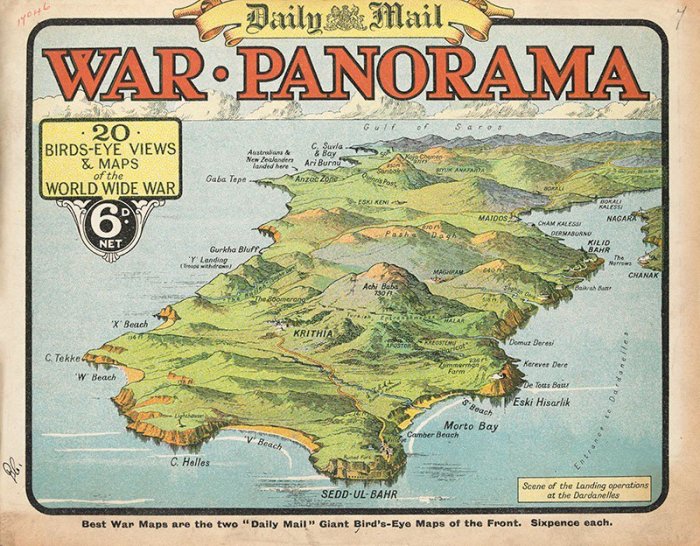
First, back to Gallipoli at the end of May. Last there in 2015 on the centenary of Malcolm Hancock’s time at Suvla and Hill 60.
And then back to The Somme at the end of August.
And they both seem a long way off.
First, back to Gallipoli at the end of May. Last there in 2015 on the centenary of Malcolm Hancock’s time at Suvla and Hill 60.
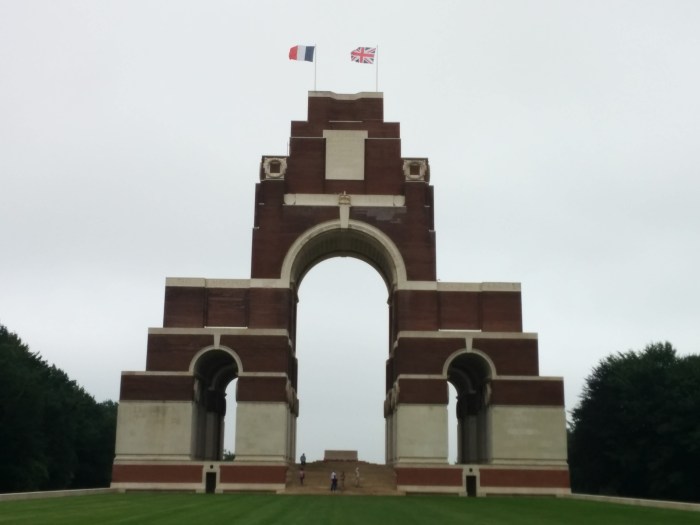
And then back to The Somme at the end of August.
The HMS Vanguard 1817 project on Twitter caught my attention because had my maternal grandfather – Eric Walter Hare, who joined the Navy in May 1915 just a few of weeks before his 17th birthday – not been noted as having a severe case of severe case of rheumatic fever in August, then he may well have gone down in 1917. He recovered and was released from the Navy in March 1916 for being physically unfit.
He had an interesting WW2 as well.
He was a lovely man and died in 1970. A thoroughly good person, I remember him well but was too young to ask any questions. Whenever he came to stay he’d clean all the shoes in the house!

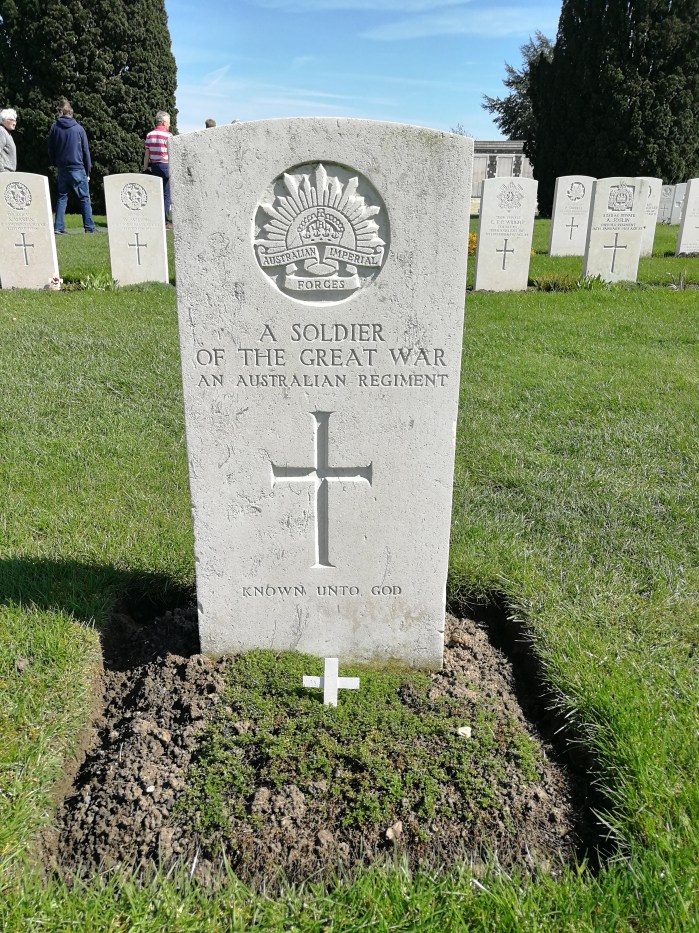
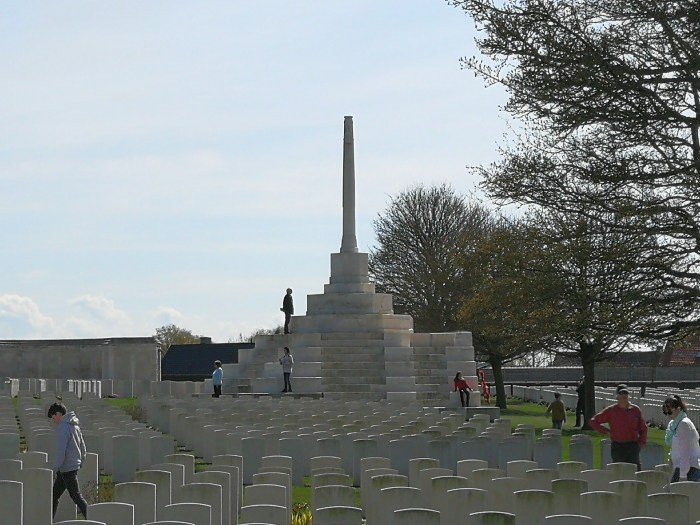
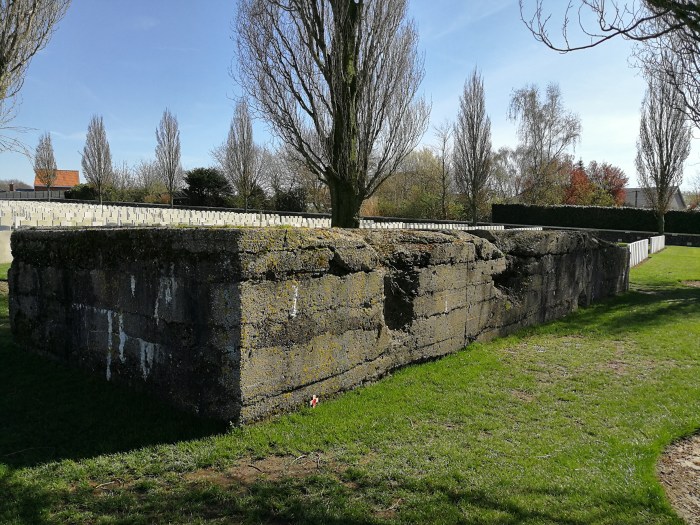
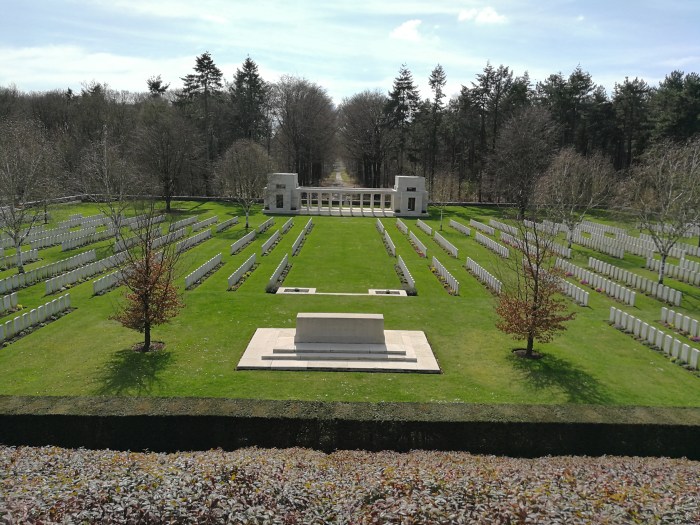
Hired bikes for the day and got around in perfect weather.

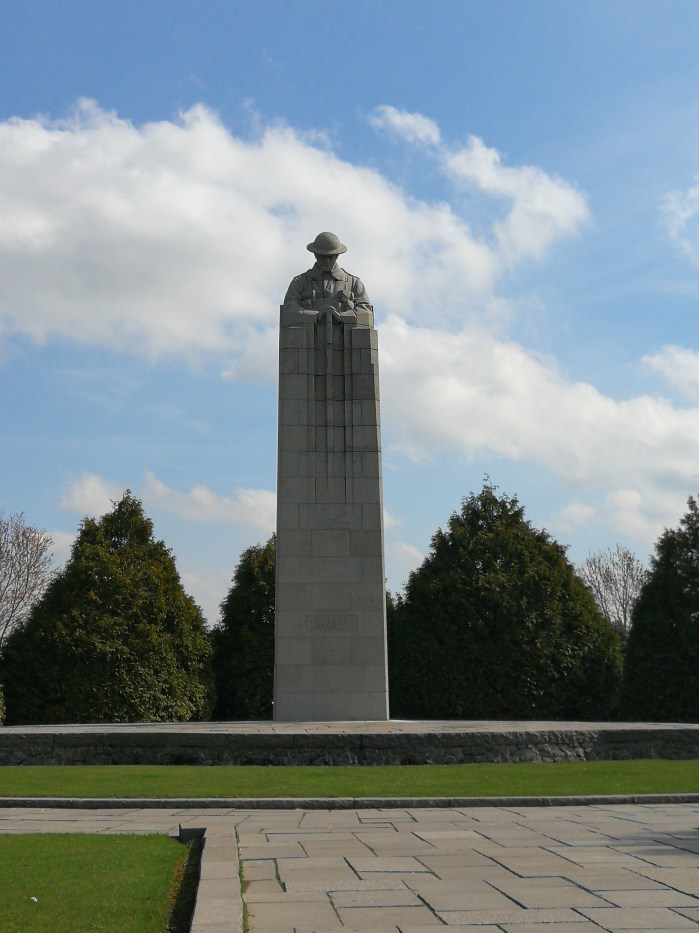
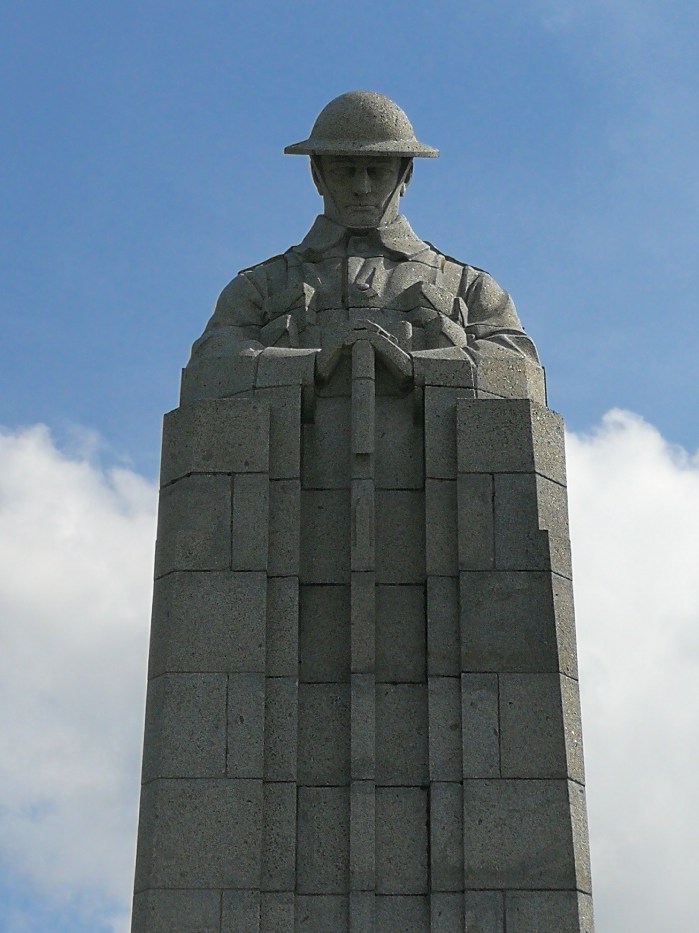
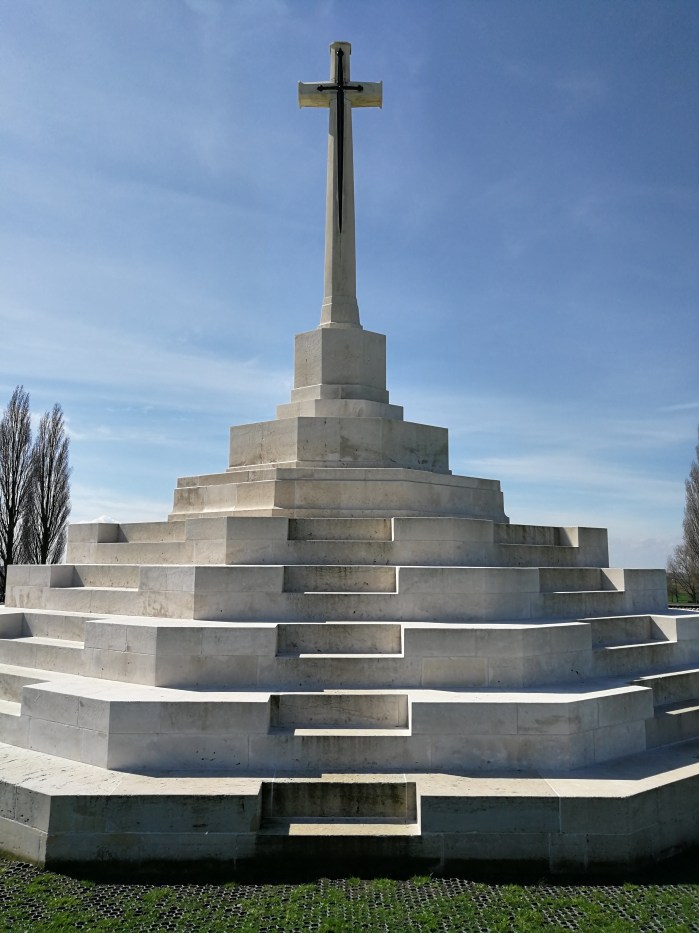
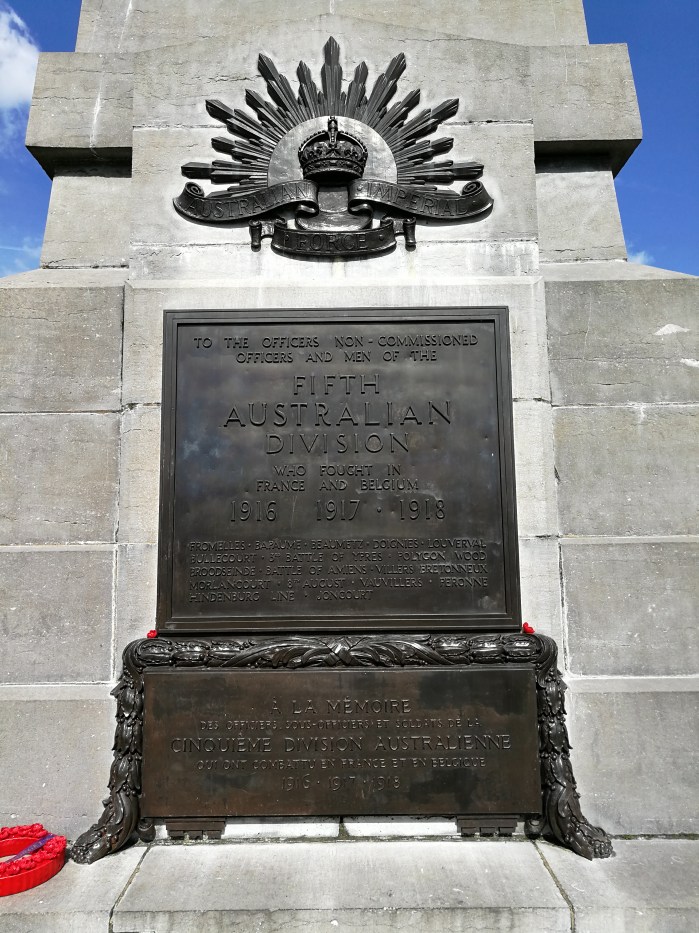

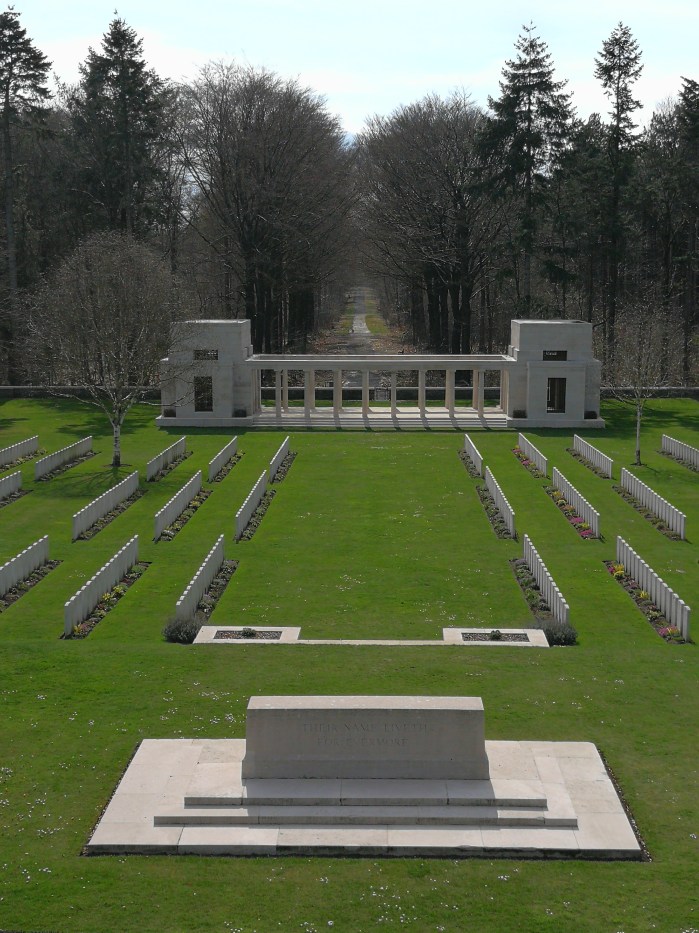
I have to take a break from the usual content of this site to acknowledge the very sad death of Mark Whittow, a man I have known, through friends, since the late 70s early 80s.
This tribute about sums him up: https://www.spc.ox.ac.uk/node/1642
A limited exhibition at the Bodleian, Weston Library in Oxford.


Not worth a special trip – but Oxford is!
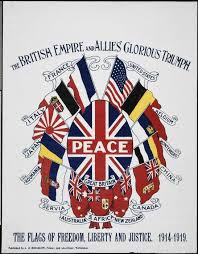
BRITAIN’S LESSER-KNOWN ALLIES IN THE GREAT WAR
When most people are asked to consider the countries that fought on Britain’s side against the Central Powers of Germany, Austro-Hungary, and the Ottoman Empire in the Great War, they generally think only of the great powers of France, Russia, and the USA. This can hardly be surprising given that it was these three nations, plus Britain and her dominions, that contributed most to the conflict and made the greatest sacrifices. However, there were a further twelve independent nations that had declared war on the Central Powers and who to a greater or larger extent made contributions to the allied victory.
This talk looks at these twelve nations, examining the reasons for them entering the conflict, the contributions made by each to the Allies cause, and the consequences for each.
The speaker: Following a successful City career, Club Member Dr. Keith Williams has pursued his love of history, researching and writing on a variety of military history topics, mainly within the period from the Crimean War to the close of World War I, with his work appearing in such publications as The Journal of the Orders and Medals Research Society, Wellcome History, History Today, and the British Medical Journal. He was awarded a Doctorate by Cardiff University, and holds a Masters degree from London University in the History of Medicine. Currently he is writing a book on the development of military medicine in the nineteenth century.